


Gold Through the Ages: Investment, Numismatics, and Eternal Value
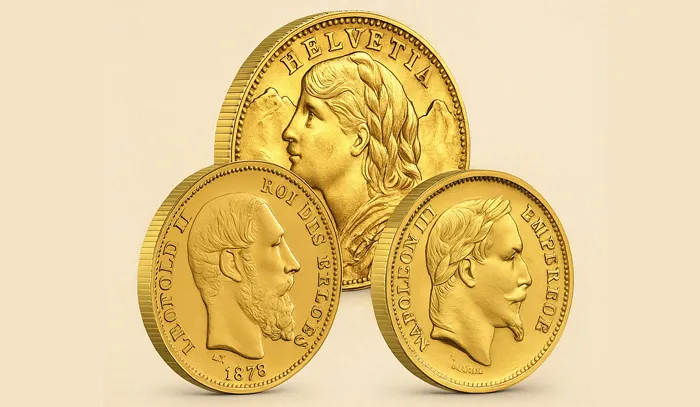
Gold is one of the oldest and most precious metals known to mankind. Its sheen and rarity have fascinated people for thousands of years, and its value has never been questioned. Since the earliest civilisations, gold has held a role that transcends that of a mere metal – it has become a symbol of power, wealth, security, and eternity. Through the ages, gold has changed forms and purposes: from royal treasuries and symbols of divine authority, through money and numismatic rarities, to modern investment bars and ducats.
In today's world, gold is both an investment and a part of cultural and historical heritage. Its value is reflected not only in its stock market price but also in the story it carries. In this text, we will consider gold through three key perspectives – as an investment, as a numismatic treasure, and as an eternal symbol of lasting value.
Gold as an investment – from ancient times to the modern market
The use of gold as a medium of exchange and a store of wealth began in ancient times. Persians, Greeks and Romans alike minted gold coins that circulated throughout their empires, becoming the first global currency. Roman aureus it was recognised throughout the Mediterranean world and enabled trade over vast distances.
During the Middle Ages, gold coins like Ducats from Venice i Florina from Florence They are the universal currency of merchants and banks. Their stability and durability have made them synonymous with trust.
In the 19th century, the world entered an era gold standard, when the currencies of countries were linked to gold reserves. This was a period of exceptional monetary stability, as countries had to guarantee coverage for every unit of currency. Although the gold standard was abolished in the 20th century, its philosophy continues to shape the modern understanding of gold as „real value“.
Today, gold is used as a form of protection against inflation and crises. Investment bars and ducats from standardised manufacturers allow people to own physical gold in various forms and weights. Its advantage lies in its universality – wherever you are in the world, gold is easily recognisable and always liquid.
Numismatics – gold as history in your hands
Besides its investment function, gold also plays a special role in numismatics, the science and passion of collectors for old and rare coins. Numismatic gold coins differ from investment ones because their value depends not only on the gold content, but also on their historical, artistic, and collector’s significance.
-
Rarity The fewer surviving examples of a gold coin there are, the higher its value.
-
Age and origin Gold originating from Roman mints, Byzantine workshops or medieval kingdoms carries with it a story of time and civilisation.
-
Artisanal craftsmanship Gold coins often feature a rich iconography and details that bear witness to the artistic achievements of the era in which they were created.
-
State of money – The numismatic value increases drastically when the gold coin is preserved without damage.
For example, Viennese ducat from 1915 It is one of the most famous and widespread in Europe. Although it is a coin that is still recreated, its historical background and symbolism make it popular with both investors and collectors. On the other hand, rare Byzantine soliduses or medieval dinars fetch exceptional prices precisely because of their numismatic value.
Numismatics combines history and art with investment potential. While investment vehicles primarily have financial value, numismatic gold coins provide both intellectual and cultural satisfaction.
The eternal value of gold – a symbol of prestige and security
Regardless of the changes throughout history, gold has always had one common characteristic – eternity. Its physical properties, such as its resistance to corrosion and its lasting lustre, make it almost immortal. It is therefore no coincidence that civilisations across the world associated gold with gods, immortality and eternal life.
Gold has been and remained a symbol of prestige. Crowns, sceptres, orders and imperial insignia were made of gold, emphasising power and authority. In modern society, gold is still a status symbol – in the form of luxury jewellery, watches or exclusive works of art.
His value is also psychological. People feel more secure when they own gold, because it is not just a number in an account, but a tangible and lasting asset. During wars, crises and migrations, gold has often been the only asset that could be carried and preserved.
Gold today – a balance between tradition and modernity
In the modern world, gold has a dual function. On the one hand, it is a traditional form of saving and investment, while on the other, it is also taking on a new dimension through digitalisation.
-
Investment gold In the form of bars and coins from standardised manufacturers, it represents the basic form of investment.
-
Numismatic gold It is becoming increasingly popular among collectors and those who wish to combine history and financial security.
-
Digital gold Tokenised forms of investment allow modern investors to combine the security of a precious metal with the flexibility of digital technologies.
All this shows that gold successfully balances between age-old tradition and modern needs.
Global trends indicate that gold will not lose its significance. Central banks are increasing their reserves, investors are using it as protection against inflation, and collectors see it as a historical and cultural treasure. Furthermore, its application in technology (electronics, medicine, space exploration) guarantees constant demand.
In the future, gold will likely continue to evolve in both directions – as investment asset and as Numismatic gem. Its eternal value remains unchanged, as no other asset combines stability, symbolism, and longevity so successfully.
Gold has come a long way through the centuries – from sacred temples and royal treasuries, through gold coins that shaped trade and the economy, to modern investment bars and coins. It is simultaneously A secure investment, a historic document, and an eternal symbol of value.
Investors value it for its stability and universal recognition, numismatists for its story and rarity, and humanity as a whole for its eternal brilliance. Therefore, it can rightly be said that gold is not just a metal, but also A story of human civilisation, power and the quest for security.
Whether viewed as a store of capital, a numismatic treasure, or an eternal symbol of wealth, gold remains one thing – an eternal value that lasts through centuries and generations.