


Global gold investment trends – what can we expect in the future?
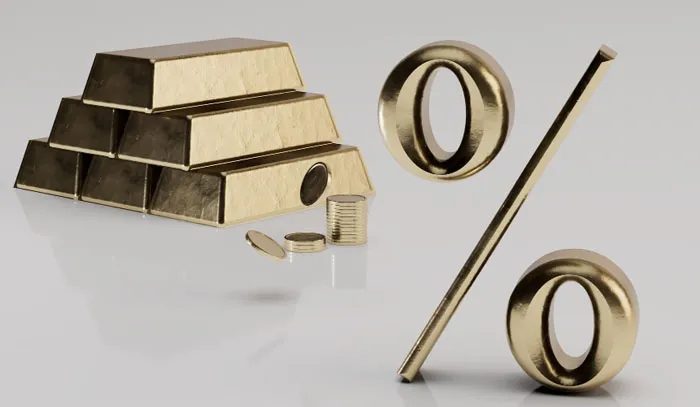
Gold has always been a special form of wealth and security. From ancient times, through empires, kingdoms and modern economies, it has been the playground where power, security and prestige intertwine. Today, in a time when digital currencies, technology stocks and new investment options are capturing market attention, gold remains indispensable. Its role is changing and adapting to global trends, but the essence remains the same – gold is a universal store of value. The question is: What can we expect in the future when it comes to investing in gold?
Gold as a „safe haven“
One of gold's most stable roles throughout history has been to serve as a „safe haven“ in times of crisis. When inflation rises, when stock markets fluctuate, or when geopolitical conflicts arise, investors turn to gold. The reason is simple – gold does not depend on the policies of central banks or the strength of a single currency. Its value is universal and globally recognised.
In the future, as the world increasingly enters periods of economic and political instability, this role of gold is expected to become even more pronounced. Market analysts are already predicting that gold will remain a key component of all serious investors' portfolios.
Central banks and gold
One of the most significant trends in recent years is that central banks worldwide are increasing their gold reserves. According to data from the World Gold Council, countries such as China, India, Russia, and Turkey are continuously buying gold to strengthen their reserves and reduce their dependence on the US dollar.
This trend is particularly important because it shows that gold is no longer just a „private“ investment for citizens and funds, but also a strategic instrument for states. In the future, central banks are expected to continue to increase their reserves, which will directly influence the growth of demand and thus drive up the price of gold.
Inflation and debt – an eternal topic
One of the key factors shaping the price of gold is inflation. The global economy continues to bear the burden of enormous government debts, and inflationary pressures are increasingly evident. When money loses value, investors turn to gold as it preserves purchasing power.
In the coming years, given the global economic situation, many experts predict a continuation of inflationary trends. This means that gold, as a hedge against inflation, will continue to be among the most sought-after investments.
Technology and the New Role of Gold
Gold is no longer present only in the form of bars and coins. Today, it is increasingly used in the technological industry as well – in electronics, medicine, and space research. Demand in these sectors further contributes to its stability and value.
In addition, digitalisation has brought about new ways of investing. More and more investors are investing in gold through ETFs, digital certificates or platforms that allow real-time buying and selling. In the future, digital gold is expected to become even more popular, especially among younger generations of investors who want quick and easy control over their investments.
Geopolitical insecurity
Another factor that will shape the future movement of gold is global politics. Conflicts, trade wars, energy crises and shifts in the balance of power between major powers directly affect confidence in currencies and markets. When uncertainty grows, so does the price of gold.
The world is expected to go through a period of change and instability in the coming decades – from the transition to green energy, through climate challenges, to political upheavals. In all these circumstances, gold will remain a factor of security.
Investor psychology
The psychological dimension of investment should not be forgotten either. People feel safer when they own gold because it is tangible and permanent. Unlike stocks, which can become worthless, or cryptocurrencies, which depend on technology and trust, gold remains there – indestructible and universal.
In the future, this psychological security will play an even greater role, especially as the number of crises that undermine trust in traditional financial systems grows.
Can gold lose its value?
Although there are new investment options, such as cryptocurrencies, it is difficult to imagine a scenario where gold loses its importance. Its advantage is that it has intrinsic value It is physically present and universally recognised. Unlike digital currencies which depend on technology and regulation, gold knows no borders.
The only risk could be a short-term stagnation or price drop due to changes in interest rates or a strengthening dollar. However, history shows that gold always returns to a growth path, as its role in the global economy is irreplaceable.
What awaits us in the future?
Based on all these factors, we can draw a few conclusions about future trends:
-
Increased demand – central banks will continue to buy gold, while private investors will also seek security in the metal.
-
Digitalisation of investments – more people will use online platforms and digital certificates, which will make gold more accessible.
-
Growth in Value in Times of Crisis – geopolitical instability and inflation will continue to push the price of gold upwards.
-
Diversification – Gold will remain a key component of any serious investment portfolio.
Gold is a unique investment that combines tradition and security with modern trends and technological development. In the future, its role will not weaken – on the contrary, it will become increasingly important. In times of inflation, geopolitical conflicts, and digital transformations, gold will remain a pillar of stability and trust.
For investors, the message is clear: gold should not be viewed solely as a luxury or an old-fashioned form of saving, but as a key part of an asset preservation and growth strategy. The future will bring changes, but gold will remain what it has always been – eternal symbol of value and security.